Start your free face shape measurement scan
Full resolution
478 landmarks
During free scans, your photo stays on your device and is not uploaded to our server. All analysis happens in your browser. We keep only anonymous numerical, non-identifiable measurements, never your photo. See our privacy promise.
Free detector, test and styling guide
Face shape detector: find your face shape free
If you are asking ‘what is my face shape?’, start with the free camera test above. It measures your front-facing outline from 478 landmarks and returns a basic result. Your full Facemap report places face shape near the top, shows the measurements behind it and adds personalised styling guidance.
Free basic reports require no credit card, no account, no password. Your image is never uploaded or stored. Analysis happens in your browser and your session data is cleared when you close or refresh the page.
In short
A face shape detector compares face length with forehead, cheekbone and jaw width, then checks how sharply the lower face turns towards the chin. Facemap uses those measured proportions to classify the outline as oval, round, square, heart or oblong. Mixed results are normal because real faces sit between reference shapes.
- 3D landmarks
- 4783D landmarks
- Scan time
- ~20sScan time
- Uploads, runs in browser
- 0Uploads, runs in browser
- No account required
- FreeNo account required
Where it is measured
Face shape on the landmark mesh.
The overlay is drawn from the same 478 point MediaPipe landmark set Facemap uses on your own scan, so every caliper, axis and node sits on the exact anatomy the measurement is taken from.
Sample reading, Free detector, test and styling guide
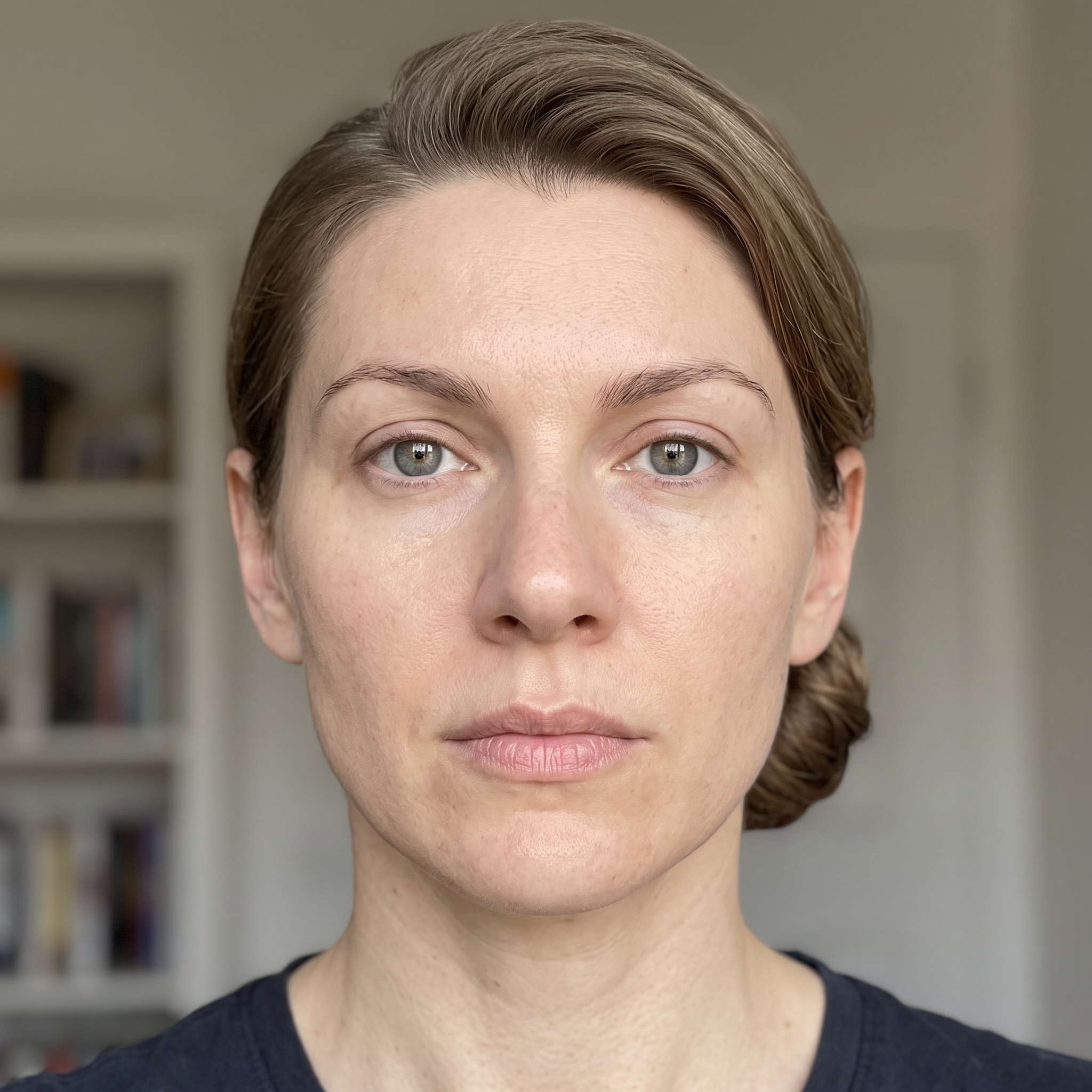
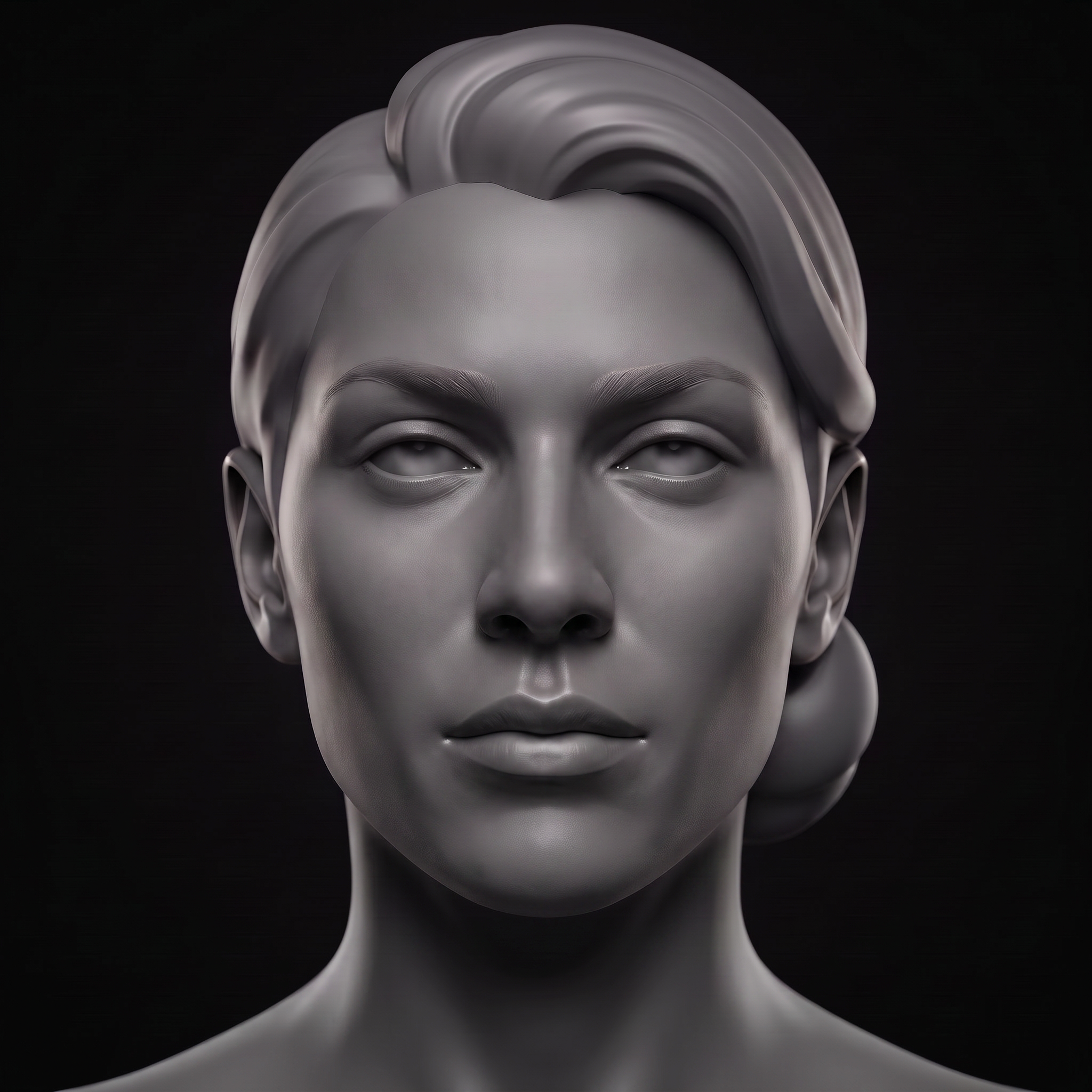
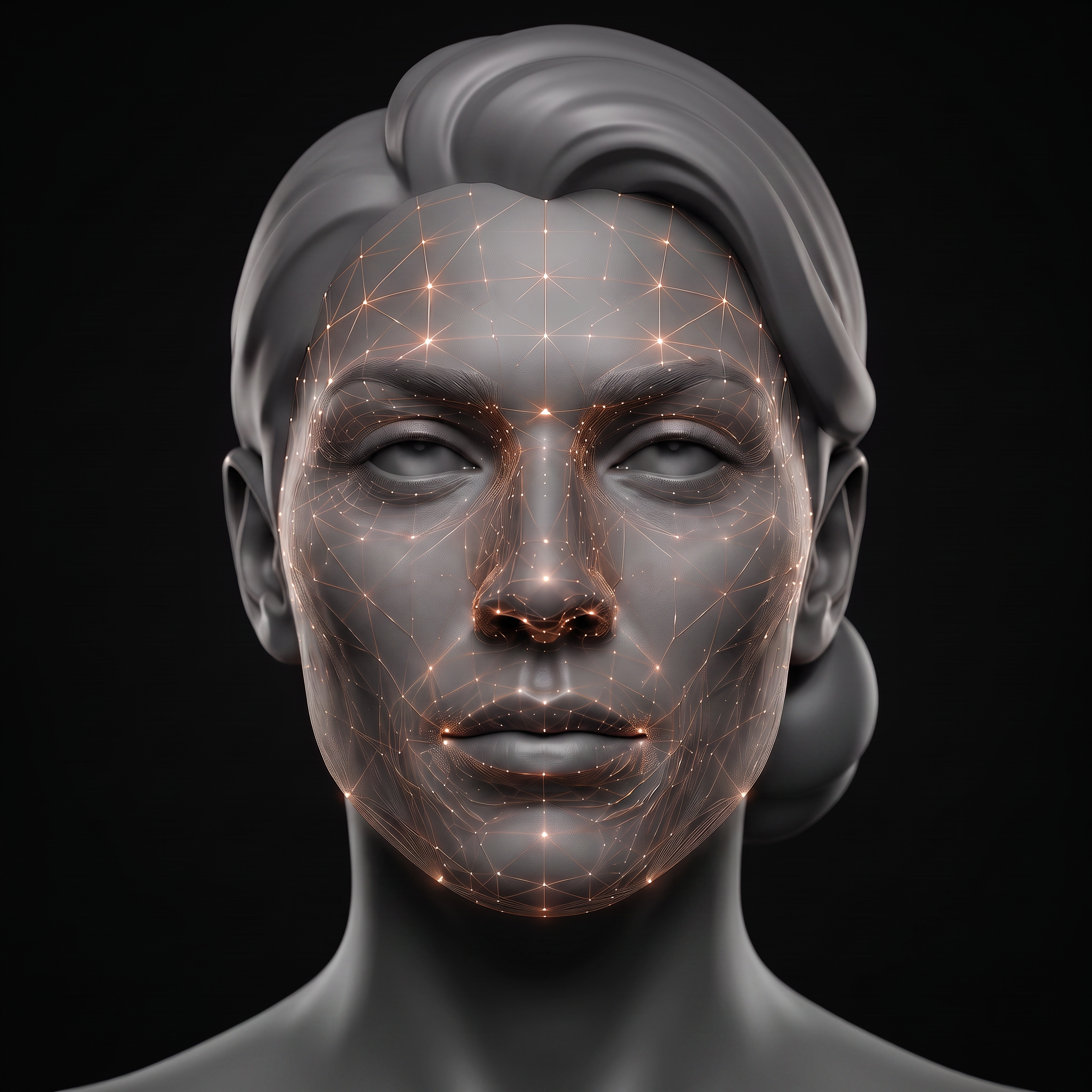
- Length / width
- 1.42
- Jaw / cheek
- 0.84
- Forehead / cheek
- 0.91
- Classified shape
- Oval
How the scan works
Capture
Guided front-on frame with even light, no upload.
Landmark
478 point mesh placed on your face in real time.
Report
Face shape measured, normalised and explained.
What is face shape?
Face shape is a shorthand description of the outline created by your forehead, cheekbones, jaw and chin. Facemap uses five broad reference families: oval, round, square, heart and oblong. Diamond, triangle, pear and inverted-triangle labels are useful styling terms, but they overlap strongly with those measured families rather than forming clean, universal categories.
How Facemap measures face shape
Facemap corrects the captured face for tilt and camera angle, then compares face length with the widest cheekbone span, temple span and jaw width. Jaw angle helps separate a soft round outline from a more angular square outline. The closest five-shape reference becomes the result.
What the typical range looks like
There is no best, most attractive or most flattering face shape. Shape describes outline, not facial quality. Styling advice works by either echoing that outline or adding contrast, so the most useful result is the one that explains your proportions rather than ranking them.
How to read your result
Facemap shows the underlying measurements alongside the label, so you can see, for example, whether a square classification comes from a wide jaw, a short face length, or both, rather than treating the label as the whole story.
The face shape formula: how we calculate it
Composite of length-to-width and cheek-to-jaw taper. Landmark numbers are MediaPipe Face Landmarker indices, and every distance is normalised to your own face so camera distance and image size cancel out.
0.6 x (face height / face width) + 0.9 x (bigonial / bizygomatic)
- Landmarks used
- 10, 152, 234, 454, 172, 397
- Reference target
- 1.55, a balanced oval
- Tolerance band
- 0.30
Your reading is compared with that published reference on a Gaussian match curve: score = round( 100 x exp( -0.5 x ( (reading - target) / tolerance )^2 ) ), clamped to 1 to 99. Basis for the reference value: weighted blend chosen so oval reads highest and both very long and very square outlines fall away. The headline Attractiveness Score works differently: all readings are corrected for head angle and expression, weighted by confidence and mapped onto a 1 to 100 scale by a model calibrated against a published research set of more than Facemap scans.
Read the full Facemap methodology, including how the 22 measurement categories combine into your Attractiveness Score.
Face shape reference table
How the measured proportions map to five reference shapes.
- OvalGently tapered
Length exceeds width, with a softer jaw narrower than the upper face
- RoundSoft and compact
Length and width are closer, with curved cheeks and an open jaw angle
- SquareAngular and compact
Forehead, cheekbones and jaw read at similar widths with a stronger jaw angle
- HeartTop weighted
Forehead and cheekbones are wider, narrowing towards the chin
- OblongLong and straight
Length clearly exceeds width while the sides remain relatively even
How to measure your face shape at home
For a manual face shape test, pull hair away from the temples, face a camera at eye level and use a straight-on photo. Measure each span in the same image so scale cancels out. Compare proportions rather than centimetres.
- Face length: top of the visible face to the lowest chin point
- Cheekbone width: the widest horizontal span across the cheeks
- Forehead width: temple to temple at the upper face
- Jaw width: corner to corner across the lower face
Face shape chart: oval, round, square, heart and oblong
An oval face is longer than wide and tapers gently. A round face is closer in length and width with curved edges. A square face has similar upper and lower widths with a defined jaw. A heart face narrows from a broader upper face. An oblong face is distinctly longer with straighter sides.
Diamond, triangle, pear and inverted triangle face shapes
Some guides use extra labels. Diamond usually means the cheekbones are widest with a narrower forehead and jaw. Triangle or pear usually means the jaw is wider than the upper face. Inverted triangle overlaps with heart but often describes a straighter, less pointed chin. Facemap reports the closest of five broad families and shows the underlying widths in the full report.
Best hairstyles and haircuts for each face shape
The same principles apply to hairstyles for women and haircuts for men: add volume where you want width, remove it where the outline already dominates, or deliberately echo the natural shape. Hair texture, density, hairline and personal style matter more than gender labels.
- Oval: most lengths work, so choose around texture, maintenance and features
- Round: height at the crown, longer layers and off-centre parts can add length
- Square: soft layers and movement can contrast the jaw, while blunt cuts emphasise it
- Heart: chin-length volume and side parts can balance a broader upper face
- Oblong: side volume, waves and fringe lines can reduce the appearance of length
Bangs, curtain bangs, pixie cuts and short hair by face shape
Curtain bangs are adaptable because their shortest point and outer length can be moved. A round face often benefits from a longer, parted curtain shape; an oblong face can take a fuller fringe; a heart face often suits side-swept or cheekbone-length pieces. Pixie cuts and short hair can work on every shape when crown height, side volume and fringe direction are adjusted.
What glasses shape suits my face?
Start with fit: pupils should sit comfortably within the lenses, the bridge should not pinch and the frame should not touch the cheeks. Then choose contrast or harmony. Angular frames can add definition to round faces, curved frames can soften square faces, bottom-weighted frames can balance heart faces, and deeper lenses can visually shorten oblong faces. Oval faces usually have the widest choice.
Sunglasses for round, square, oval, heart and oblong faces
The same frame logic applies to sunglasses, but lens size matters more. A frame near the measured cheekbone width usually looks intentional. Oversized styles can overwhelm a narrow face, while very shallow lenses can make an oblong face appear longer. For a round face, rectangular or geometric sunglasses often provide the clearest contrast.
Makeup placement for your face shape
Face-shape makeup changes where light and shadow draw attention, not the underlying structure. Highlight can bring an area forward and matte contour can visually recede it. Use your actual cheekbone and jaw landmarks rather than copying a generic diagram, blend in natural light and treat face shape as a starting point rather than a rule.
Face shape from a photo: why angle matters
A close camera widens the centre of the face, a low camera can strengthen the jaw and a turned head compresses one side. For a reliable face shape analyzer, use an eye-level front view, neutral expression, even light and visible temples. Facemap takes three guided captures and uses the clearest acceptable frame.
Face shape versus facial ratios and jaw angle
Face shape is a category, while facial width-to-height ratio and gonial angle are continuous measurements. Two people can both be classified as square while having different jaw angles or face lengths. That is why the full report places the shape label beside the measurements that produced it.
Your reading
Measure your face shape in about twenty seconds.
The scan runs in your browser. Nothing is uploaded, and free basic reports need no account.
Questions
Face shape detector: frequently asked questions
What is my face shape?
Use the free face shape test above for a measured result. It compares face length, cheekbone width, forehead width, jaw width and jaw angle, then returns the closest of five broad reference shapes: oval, round, square, heart or oblong.
How do I know what face shape I have?
Look at which part is widest, how face length compares with cheekbone width and whether the jaw is curved, tapered or angular. A front-facing measurement is more dependable than tracing a mirror because hair, head angle and perspective can hide the true outline.
How do I determine my face shape from a photo?
Use a straight-on photo taken at eye level from at least an arm's length away. Keep a neutral expression, show the temples and avoid wide-angle distortion. Compare face length, forehead, cheekbone and jaw widths within that same image.
How accurate is a face shape detector?
Accuracy depends on the landmarks and the capture. Facemap checks three photos, corrects the usable outline for pose and reads the clearest acceptable frame. A heavy fringe, extreme camera angle or very close lens can still reduce confidence.
Is the face shape test free?
Yes. The basic face shape scan is free, needs no account and runs in your browser without uploading your image. The free full report includes the shape near the top, its supporting measurements and personalised styling guidance.
Which face shape is most attractive or flattering?
There is no objectively most attractive face shape. People often call oval versatile because many styles fit it without strong correction, but balance depends on the complete face, hair, frames and individual preference rather than one outline label.
What glasses shape suits my face?
Choose fit first, then decide whether you want contrast or harmony. Angular frames contrast a round outline, curved frames soften a square outline, bottom-weighted frames balance a heart outline and deeper lenses can shorten an oblong outline. Oval faces suit many frame shapes.
What shape glasses suit a round face?
Rectangular, square and geometric frames usually add useful contrast to a round face. A frame slightly wider than the broadest part of the face can add structure, provided the bridge, pupil position and temple fit are correct.
Curtain bangs suit which face shape?
Curtain bangs can suit every face shape because the centre opening, shortest point and outer length can be adjusted. Longer split pieces can lengthen a round face, fuller pieces can shorten an oblong face and cheekbone-length pieces can balance a heart face.
How should I cut bangs for my face shape?
Use fringe depth to affect apparent length and the outer edge to affect width. Fuller horizontal bangs shorten an oblong outline, airy or side-swept bangs preserve length on round faces, and softer curved edges can contrast a square jaw. A stylist should also account for hair texture and growth pattern.
Do braces change your face shape?
Braces move teeth, not the main facial bones, so they do not normally change your underlying face-shape category. Changes in bite, lip support or treatment-related jaw position can alter the profile or lower-face appearance. Ask your orthodontist about changes expected from your specific treatment.
Can face shape change over time?
The main bone proportions are fairly stable in adulthood, but weight change, ageing, muscle, dental treatment and hairline changes can alter how the outline appears. A result may shift when a face sits between two reference shapes.
How many face shapes are there?
There is no universal number. Facemap uses five broad measured families: oval, round, square, heart and oblong. Other guides add diamond, triangle, pear and inverted triangle as narrower styling categories.
Related tools
Measurements that read alongside face shape.
Bizygomatic width to height
fWHR face scan
Facial width-to-height ratio compares the horizontal width of your cheekbones against the vertical height of your upper face.
Jawline structure index
Gonial angle face scan
The angle at the back of the jaw, where the lower border meets the posterior border, a core index of lower-face definition.
Vertical proportion balance
Facial thirds face scan
The face is divided into three equal vertical zones: hairline to brow, brow to nose base, and nose base to chin. We measure how evenly your landmarks fall within each.
Every tool