Start your free lip symmetry measurement scan
Full resolution
478 landmarks
During free scans, your photo stays on your device and is not uploaded to our server. All analysis happens in your browser. We keep only anonymous numerical, non-identifiable measurements, never your photo. See our privacy promise.
Mouth corner and midline alignment
Lip symmetry test: is your smile even?
A slightly uneven smile is one of the most common facial features and is usually invisible in daily life. This free lip symmetry test uses an AI face scan to measure mouth corner height, cupid's bow offset and midline alignment from 3D landmarks to describe how even your smile actually is.
Free basic reports require no credit card, no account, no password. Your image is never uploaded or stored. Analysis happens in your browser and your session data is cleared when you close or refresh the page.
In short
A lip symmetry test compares the left and right mouth corner height, the offset of the cupid's bow peak from the facial midline, and how closely the lip midline aligns with the vertical axis of the face. Facemap reports each separately.
- 3D landmarks
- 4783D landmarks
- Scan time
- ~20sScan time
- Uploads, runs in browser
- 0Uploads, runs in browser
- No account required
- FreeNo account required
Where it is measured
Lip symmetry on the landmark mesh.
The overlay is drawn from the same 478 point MediaPipe landmark set Facemap uses on your own scan, so every caliper, axis and node sits on the exact anatomy the measurement is taken from.
Sample reading, Mouth corner and midline alignment
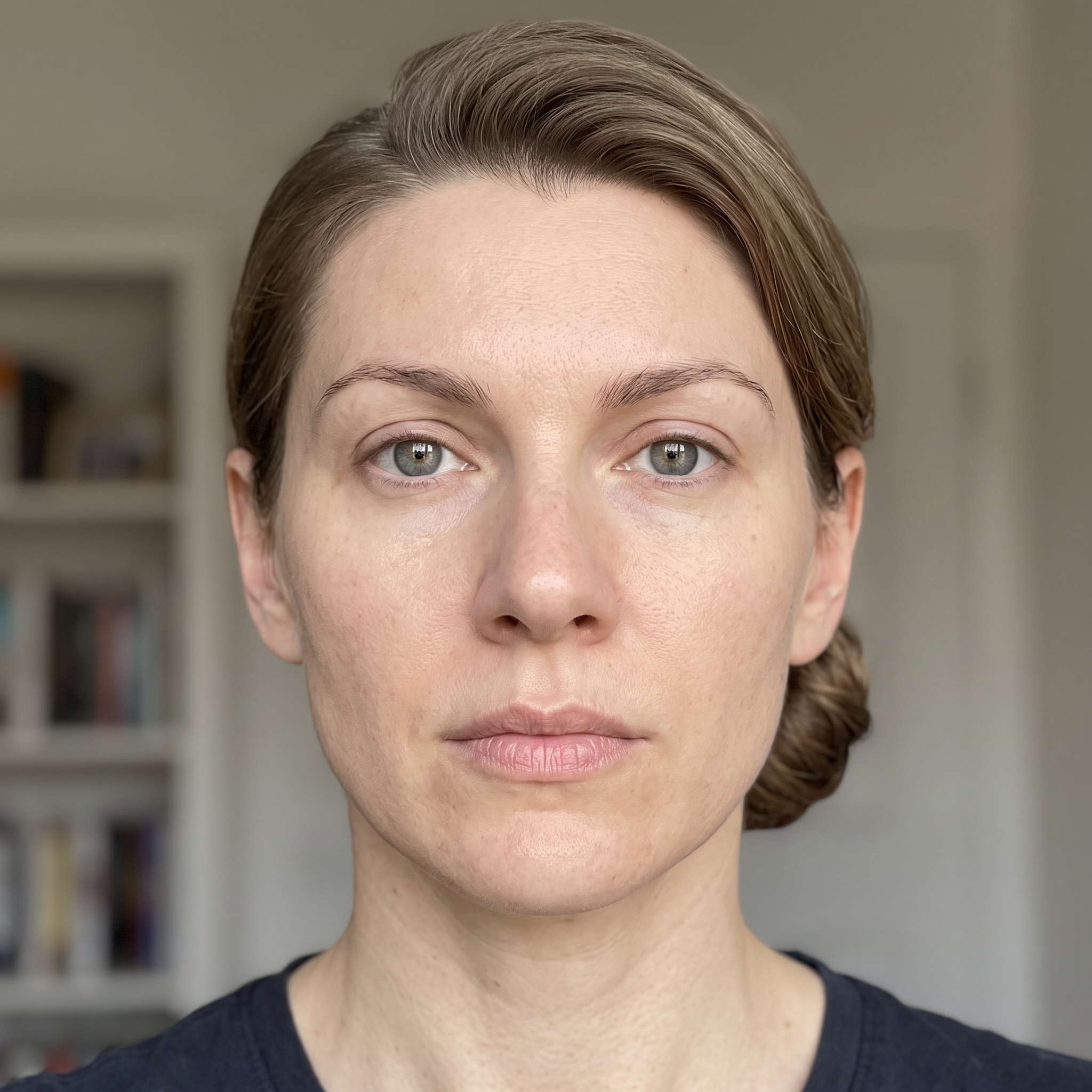
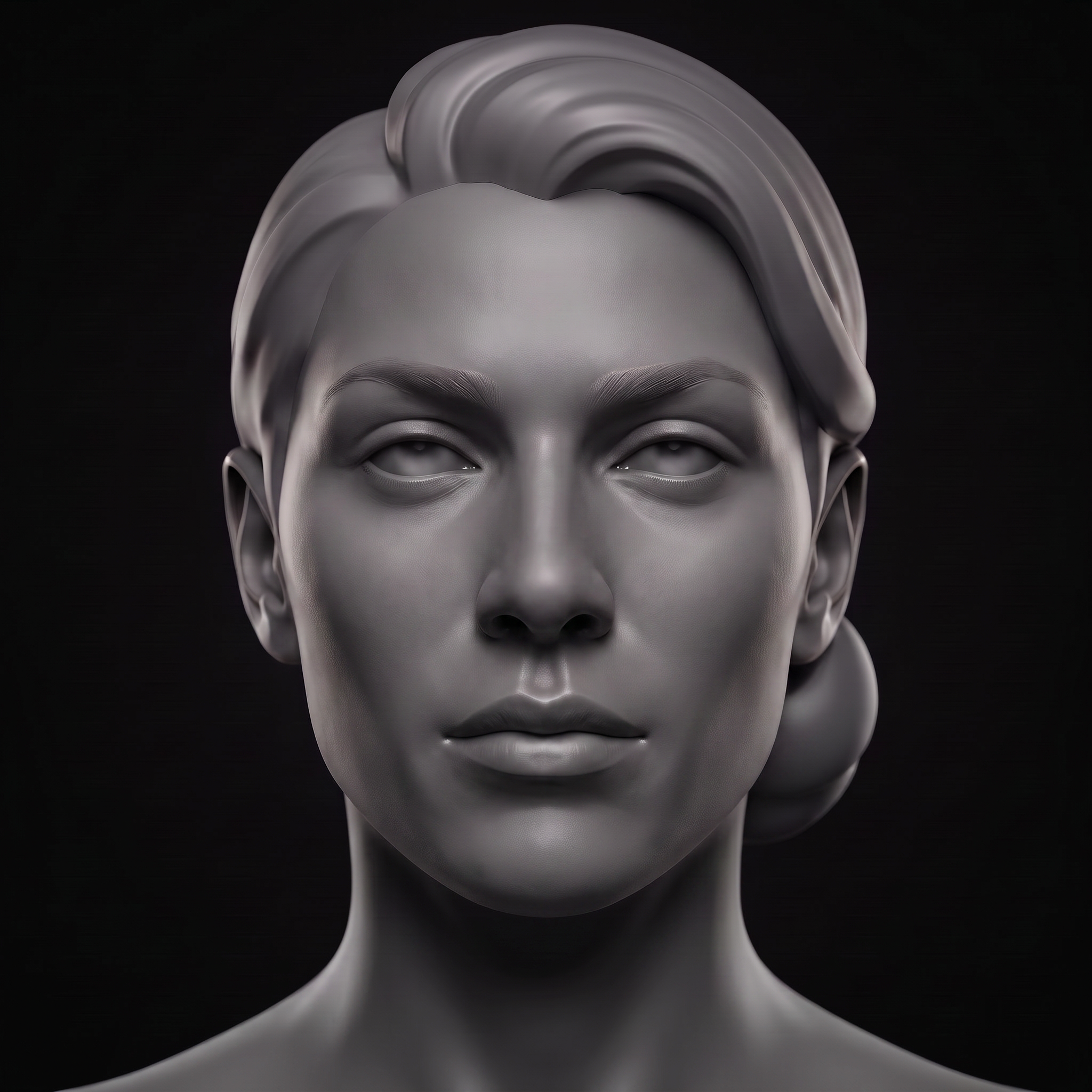
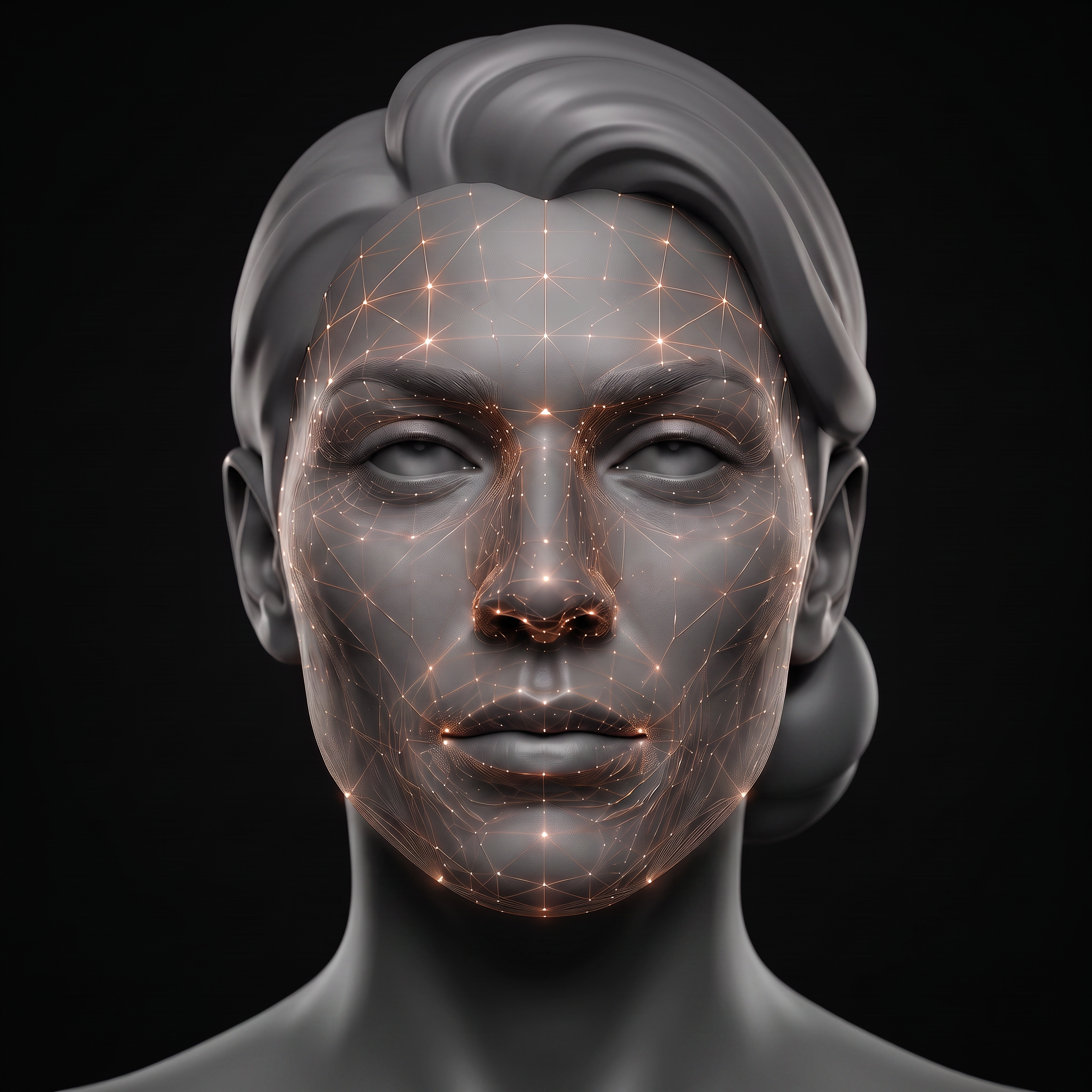
- Corner height delta
- 0.8 mm
- Cupid's bow offset
- 0.4 mm
- Midline deviation
- 0.5 mm
- Symmetry index
- 97.1%
How the scan works
Capture
Guided front-on frame with even light, no upload.
Landmark
478 point mesh placed on your face in real time.
Report
Lip symmetry measured, normalised and explained.
What is lip symmetry?
Lip symmetry describes three related measures: whether the two mouth corners sit at the same height, whether the peak of the cupid's bow sits on the facial midline, and whether the overall lip midline aligns with the vertical axis of the face.
How Facemap measures lip symmetry
The mesh places landmarks at each mouth corner, the cupid's bow peaks and the lower lip midpoint. Facemap measures the vertical difference between the two mouth corners, the horizontal offset of the cupid's bow from the midline, and the angle of the lip midline against the facial axis.
What the typical range looks like
A small difference in mouth corner height is normal and often relates to habitual expression on one side of the face. The reading is most informative as three separate figures rather than a single combined score, since each one can vary independently.
How to read your result
Facemap separates mouth corner height, cupid's bow offset and midline angle because a smile can be uneven in one respect while aligned in the others. Expression, at the moment of capture, has a larger effect on this measurement than on most others, so a relaxed, neutral mouth gives the most representative reading.
The lip symmetry formula: how we calculate it
Mirrored-pair residual across the mouth region only. Landmark numbers are MediaPipe Face Landmarker indices, and every distance is normalised to your own face so camera distance and image size cancel out.
same residual as facial symmetry, restricted to the lip pairs
- Landmarks used
- 61/291, 40/270, 91/321, 39/269, 185/409
- Reference target
- 0
- Tolerance band
- 0.050
Your reading is compared with that published reference on a Gaussian match curve: score = round( 100 x exp( -0.5 x ( (reading - target) / tolerance )^2 ) ), clamped to 1 to 99. Basis for the reference value: region-restricted version of the whole-face residual. The headline Attractiveness Score works differently: all readings are corrected for head angle and expression, weighted by confidence and mapped onto a 1 to 100 scale by a model calibrated against a published research set of more than Facemap scans.
Read the full Facemap methodology, including how the 22 measurement categories combine into your Attractiveness Score.
Lip symmetry reference table
Lip symmetry bands and how each one reads.
- Corner height diff below 1mmVery even
Below the visible threshold
- 1 to 2mmTypical
Common, rarely noticeable at rest
- 2 to 4mmNoticeable
Visible during a full smile
- Above 4mmMarked
Consistently visible corner height difference
What the three lip symmetry measures show
A smile can be uneven in different ways, and separating the measures makes the source of any asymmetry clearer.
- Mouth corner height: which side sits higher at rest
- Cupid's bow offset: whether the peak sits left or right of centre
- Midline angle: whether the whole lip line tilts against the face
- These can move independently, one can be even while another is not
- Expression habits over time can accentuate one side gradually
How to get an accurate lip symmetry reading
Because expression changes lip position quickly, a neutral, relaxed capture matters more here than for most other measurements.
- Keep your mouth relaxed and closed, no smiling or pursing
- Face the camera directly with your chin level
- Avoid resting your face on one side or leaning into the camera
- Use even lighting so both mouth corners are equally visible
- Take a few repeat scans and compare, since a single frame can catch a transient expression
Why a slightly uneven smile is common and not a fault
Facial nerve and muscle activation is rarely perfectly bilateral, and most people favour one side of the mouth very slightly when speaking or smiling over many years. Facemap reports the figures as a structural description of your resting and expressive mouth, and does not treat any result as a problem to correct.
The lip symmetry formula, step by step
The calculator uses two related offsets, both normalised to mouth width so the result does not depend on face size or camera distance. Left versus right vermilion height and mouth corner height offset are each treated the same way.
- Measure vermilion height on the left side of the mouth
- Measure vermilion height on the right side of the mouth
- Subtract right from left to get the vermilion height offset
- Measure mouth corner height on the left and right side
- Subtract right corner height from left corner height for the corner offset
- Divide each offset by mouth width to normalise, positive means left higher, negative means right higher
Your reading
Measure your lip symmetry in about twenty seconds.
The scan runs in your browser. Nothing is uploaded, and free basic reports need no account.
Questions
Lip symmetry test: frequently asked questions
Is it normal to have an uneven smile?
Yes. Small differences in mouth corner height between the two sides are extremely common and are usually only noticeable during a full smile.
What is cupid's bow offset?
It is the horizontal distance between the peak of the cupid's bow, the highest points of the upper lip, and the vertical midline of the face.
How is lip symmetry measured from a scan?
Facemap places landmarks at the mouth corners, cupid's bow peaks and lower lip midpoint using MediaPipe Face Mesh, then measures height difference, midline offset and overall angle.
Why does my lip symmetry score change between scans?
Expression at the moment of capture has a strong effect. A relaxed, neutral mouth gives the most consistent and comparable reading.
Do I need to upload a photo for the lip symmetry test?
No. The scan runs entirely on-device using your camera, with no upload and no account required.
What is the formula behind the lip symmetry calculator?
Facemap takes the left mouth corner height minus the right mouth corner height, then normalises that offset to your mouth width. A positive result means the left corner sits higher, a negative result means the right corner sits higher, and the same normalised approach is used for the vermilion height comparison.
How trustworthy is the AI face scan for reading a smile?
The AI face scan is Google's MediaPipe Face Mesh, a machine learning model that runs on your device and places 478 3D landmarks on your face without uploading anything. It calculates deterministic geometry from those landmarks, so the result is a measurement rather than a subjective opinion.
Related tools
Measurements that read alongside lip symmetry.
Bilateral landmark balance
Facial symmetry face scan
We compare 478 corresponding landmarks across the vertical midline of your face, region by region, to quantify how closely each side mirrors the other.
Upper-lower vermilion balance
Lip ratio face scan
We measure the relative height of the upper and lower vermilion, the pigmented part of the lips, to arrive at a clear upper-to-lower balance.
Height, arch and left/right balance
Brow symmetry face scan
We measure brow height, the horizontal position of the arch peak, and compare both readings between your left and right brow to score overall brow balance.
Every tool